


Snoring affects millions of people — disrupting not only the person who struggles with it, but also the person trying to sleep next to them16. This guide explores common causes of snoring, simple home remedies, and lifestyle changes that may help reduce it — plus when to seek medical advice so you and your partner can finally get a restful night’s sleep.
<anchor links>
What Causes Snoring?
Home Remedies for Snoring
Products that May Help with Snoring
Possible Medical Treatments for Snoring
When to Talk to a Doctor
Snoring can happen at any age, but as we get older, the muscle tone in the throat decreases, shrinking our airways and making it more likely for it to narrow during sleep — which is a common cause of snoring.1,2
Alcohol typically relaxes the muscles in the throat and reduces your body’s natural defences against airway obstruction. As the airways collapse or become partial blocked, the likelihood of snoring increases. If you are someone who enjoys a drink before bed, it could contribute to your snoring problem.3
The physical composition of your throat and airway can also play a role. Features such as a thick soft palate (the soft tissue at the back of your mouth), enlarged tonsils, or a deviated septum (when the wall between your nostrils is off-centre) can narrow the airway, which may affect how easily air passes through and contribute to snoring.1
Weight can also play a role in snoring. Excess fat tissue around the neck and throat may place pressure on the airway, which can narrow the air passages and make it harder for air to flow freely. This may increase the chance of the surrounding tissues vibrating and producing the snoring sound. In some cases, losing weight may help reduce snoring by relieving this pressure and supporting better airflow during sleep.⁴
Sleep apnea is a serious sleep disorder where breathing briefly stops during sleep. The most common type, obstructive sleep apnea (OSA), happens when the airway becomes partially or fully blocked. There is also central sleep apnea, which occurs when the brain doesn’t send proper signals to breathe.
Loud, intermittent snoring—sometimes with choking or gasping—may be a sign of OSA, though not everyone with OSA snores. If you notice these symptoms, it’s important to speak with a healthcare professional. They can help identify any underlying conditions and suggest the right treatment to improve your sleep and reduce snoring.⁵
Simple changes in your sleep habits and environment can reduce snoring significantly. If you snore loudly, we recommend trying these home remedies to reduce the severity of your snoring. These involve adjusting your sleep position, keeping allergens at bay, and using supportive pillows.
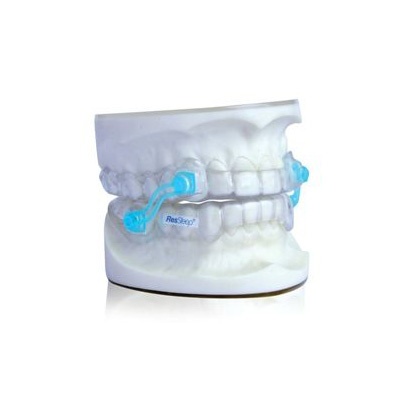
Snoring is usually caused by a narrowed airway. By moving your lower jaw forward slightly, SnoreRx may help to keep your airway open.
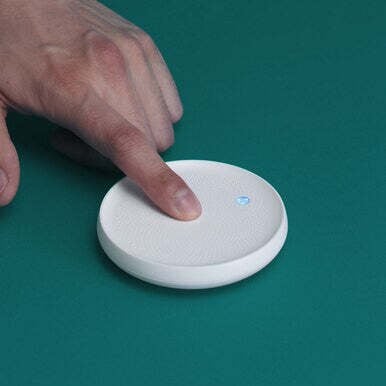
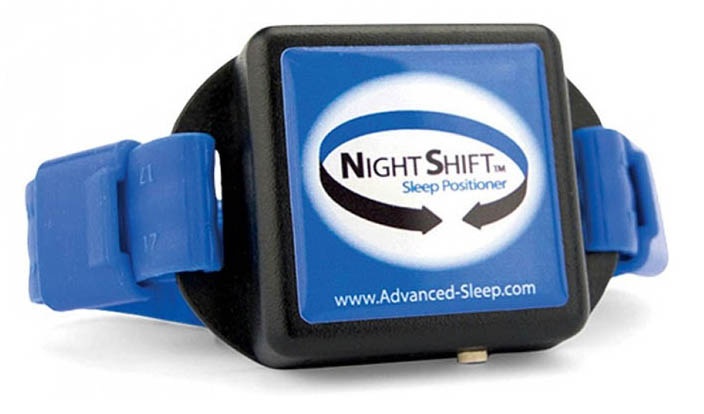
If you only snore when you lie on your back, try this device. It vibrates to alert you until you change position. It also monitors your sleep and snoring.
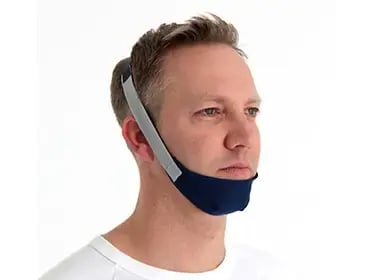
An anti-snoring chin strap works by holding your jaws together which reduces relaxation of your jaw muscle and airway.
Just making simple lifestyle changes can dramatically reduce snoring and improve sleep quality, all of which can effectively treat snoring and improve overall sleep quality. Here are just a few:
Stop Smoking
Smoking irritates the airways and causes inflammation, increasing the chances of snoring.18 Smoking is also known to exacerbate obstructive sleep apnea symptoms, as it can cause swelling in the throat and nasal passages, further restricting airflow.
Lose Weight
Weight loss can also significantly reduce the severity of sleep apnea, a common sleep disorder often linked with snoring.9 When you lose weight, you reduce the fatty deposits and excess tissue around your neck and throat, which can help keep the airway open during sleep. Incorporating a balanced diet and regular exercise into your lifestyle not only aids in weight loss but also promotes better sleep quality and overall health. Consulting with a healthcare provider or nutritionist can help you get personalized guidance to achieve and maintain a healthy weight.
Regularly Exercise
Exercise strengthens muscles, including those in your throat, and helps with weight loss—both of which can reduce snoring. Engaging in regular physical activity also improves cardiovascular health and increases lung capacity, which can enhance breathing efficiency during sleep. Certain activities like yoga or strength training, as well as aerobic exercise, such as walking or swimming, can specifically tone the muscles in the airway, reducing the risk of airway collapse and snoring. Even better, exercise can help regulate sleep patterns and reduce stress levels, contributing to a more restful sleep in general.
Here are some of the most common options:
Mandibular Device
A Mandibular Device (MAD) is a mouthpiece that gently repositions the jaw to prevent airway obstruction, so if your snoring is due to jaw or tongue position — this is the device for you.11 These mouthpieces are often custom-fitted by a dentist or orthodontist to ensure maximum comfort and effectiveness. By advancing the lower jaw slightly forward, MADs help to keep the airway open, which can significantly reduce snoring and improve overall sleep quality.
Sleep Reposition Device
Sleep repositioning devices come in various forms, such as wearable bands, vibrating alarms, and special pillows, all designed to encourage side sleeping. For people who usually sleep on their back, these devices may help reduce snoring by training the body to stay on its side. This position can prevent the tongue and soft palate from collapsing to the back of the throat and blocking airflow. The goal is to help you gradually develop a habit of side sleeping, which may lower both how often and how loudly you snore.
While these devices can be effective for many, they may not work for all types of snoring. It’s a good idea to discuss options with a healthcare professional if snoring persists.¹²
Chin Strap
Chin straps are designed to support the jaw and encourage breathing through the nose, which can help reduce the vibrations that cause snoring.13 While they may not necessarily work for everyone, especially if nasal congestion or other structural issues are present, they are particularly useful for people who snore due to mouth breathing or have mild sleep apnea. Consulting a healthcare provider can help determine if a chin strap is a suitable option for your snoring concerns.
Nasal Strips or Dilators19
Nasal passages play a crucial role in breathing and can significantly contribute to snoring. When nasal passages are congested or narrow, it can force you to breathe through your mouth, which often leads to snoring. Conditions like a stuffy nose, allergies, or a deviated septum can exacerbate this issue. To reduce snoring, it’s essential to keep your nasal passages open. Nasal strips or dilators can help improve airflow by widening the nasal passages, making it easier to breathe through your nose.
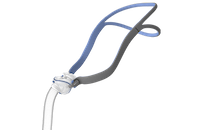
Surgery is typically considered as a last resort treatment when others have failed or are unsuitable. These procedures can remove or reposition tissues that may be blocking the airway, helping to improve airflow and reduce snoring.¹⁵
Here are a few common surgical options:
Recovery and results vary, so it’s important to consult a doctor to find the best option. Surgery is a serious step and should be considered carefully.
If snoring is affecting your sleep quality, your daily life, or your partner’s rest, it may be time to speak with a healthcare professional. While home remedies and lifestyle changes can help, persistent or loud snoring may be a sign of an underlying condition like obstructive sleep apnea (OSA). A doctor can help identify the cause and recommend the right treatment.
Not sure where to start? Take our online sleep assessment — it’s a simple first step toward getting the answers and support you need.
When snoring disrupts your sleep (and your household). Cleveland Clinic. (2025, June 2). https://my.clevelandclinic.org/health/diseases/15580-snoring
Doctors, A. the. (2022, March 11). Chance of snoring increases as a person ages. UCLA Health. https://www.uclahealth.org/news/article/chance-of-snoring-increases-as-a-person-ages
Alcohol and sleep apnea. Sleep Foundation. (2024, January 5). https://www.sleepfoundation.org/sleep-apnea/alcohol-and-sleep-apnea
Srakocic, S. (2023, June 5). Can weight gain lead to snoring?. Healthline. https://www.healthline.com/health/healthy-sleep/does-weight-gain-cause-snoring
NHS. (n.d.). NHS choices. https://www.nhs.uk/conditions/sleep-apnoea/
How to stop snoring: 10 ways to end noisy nights. Sleep Foundation. (2024b, April 16). https://www.sleepfoundation.org/snoring/how-to-stop-snoring
WebMD. (n.d.). 7 easy snoring remedies: How to stop snoring. WebMD. https://www.webmd.com/sleep-disorders/features/easy-snoring-remedies
British snoring & sleep apnoea association. (n.d.). https://britishsnoring.co.uk/why_do_i_snore/smoking.php
Brandon Peters, M. (2023, August 20). Weight loss: Improve your sleep and reduce the risk of sleep apnea. Verywell Health. https://www.verywellhealth.com/how-weight-loss-may-improve-your-sleep-3015194
Andrade, F. M. D. de, & Pedrosa, R. P. (2016). The role of physical exercise in obstructive sleep apnea. Jornal brasileiro de pneumologia : publicacao oficial da Sociedade Brasileira de Pneumologia e Tisilogia. https://pmc.ncbi.nlm.nih.gov/articles/PMC5344097/
Mandibular devices for obstructive sleep apnoea. RACGP. (n.d.). https://www.racgp.org.au/clinical-resources/clinical-guidelines/handi/handi-interventions/device/mandibular-devices-for-obstructive-sleep-apnoea
Permut I;Diaz-Abad M;Chatila W;Crocetti J;Gaughan JP;D’Alonzo GE;Krachman SL; (n.d.). Comparison of positional therapy to CPAP in patients with positional obstructive sleep apnea. Journal of clinical sleep medicine : JCSM : official publication of the American Academy of Sleep Medicine. https://pubmed.ncbi.nlm.nih.gov/20572416/
Bhat, S., Gushway-Henry, N., Polos, P. G., DeBari, V. A., Riar, S., Gupta, D., Lysenko, L., Patel, D., Pi, J., & Chokroverty, S. (2014, August 15). The efficacy of a chinstrap in treating sleep disordered breathing and snoring. Journal of clinical sleep medicine : JCSM : official publication of the American Academy of Sleep Medicine. https://pmc.ncbi.nlm.nih.gov/articles/PMC4106943/#:~:text=Study%20Impact%3A%20The%20study%20results,and%20does%20not%20improve%20snoring.
If I snore do I NEED CPAP?. Sleep Foundation. (2023, October 16). https://www.sleepfoundation.org/cpap/if-i-snore-do-i-need-cpap
Sleep Health Foundation. (2024, January 12). Surgery for obstructive sleep apnoea (OSA). https://www.sleephealthfoundation.org.au/sleep-disorders/surgery-for-obstructive-sleep-apnoea-osa
Sarkis, L. M., Jones, A. C., Ng, A., Pantin, C., Appleton, S. L., & MacKay, S. G. (2023, February). Australasian Sleep Association position statement on consensus and evidence based treatment for primary snoring. Respirology (Carlton, Vic.). https://pmc.ncbi.nlm.nih.gov/articles/PMC10108143/
Kaleelullah RA, Nagarajan PP. Cultivating lifestyle transformations in obstructive sleep apnea. Cureus. January 26, 2021. Accessed August 12, 2025. https://pmc.ncbi.nlm.nih.gov/articles/PMC7920220/.
Krishnan V, Dixon-Williams S, Thornton JD. Where there is smoke…there is sleep apnea: Exploring the relationship between smoking and sleep apnea. Chest. December 2014. Accessed August 12, 2025. https://pmc.ncbi.nlm.nih.gov/articles/PMC4251622/.
Gelardi M, Porro G, Sterlicchio B, Quaranta N, Ciprandi G, Group On Sonoring IS. Internal and external nasal dilatator in patients WHO SNORE: A comparison in clinical practice. Acta bio-medica : Atenei Parmensis. January 11, 2019. Accessed August 12, 2025. https://pmc.ncbi.nlm.nih.gov/articles/PMC6502076/.