


.webp?width=474&height=472&name=Throat-snoring%20(1).webp)


What are the symptoms of sleep apnea?
Has someone told you that you snore loudly or sometimes gasp for breath while you sleep? Maybe they’ve noticed that you seem to stop breathing from time to time in your sleep. These are classic signs and symptoms of obstructive sleep apnea.
Because it happens when you’re asleep, you may have sleep apnea without knowing. If you have central sleep apnea, you may not snore at all, and you will need to rely on other signs and symptoms to alert you to the problem.

Symptoms for central sleep apnea3
People with central sleep apnea may or may not snore. That’s because central sleep apnea isn’t caused by an obstructed airway. It’s caused by the brain failing to send a signal to the body to take a breath.
Because people with central sleep apnea often sleep quietly, the condition may not be noticed. If you experience any of these sleep apnea symptoms on a regular basis, you may benefit from a sleep test to determine if you have central sleep apnea:

Sleep apnea treatment
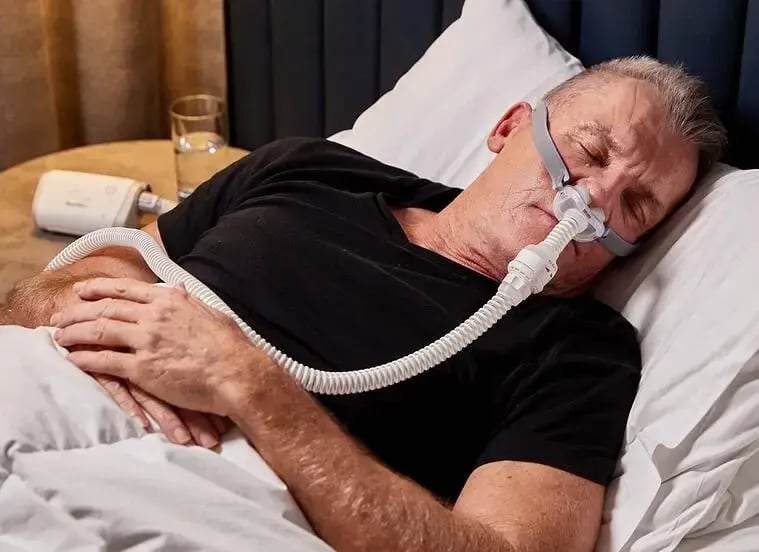
There are several different treatment options for sleep apnea, depending on the type and severity of sleep apnea. If you have mild obstructive sleep apnea, lifestyle changes and regular monitoring may help to control the condition. For moderate and severe obstructive sleep apnea, and for central sleep apnea, treatment is normally recommended and beneficial. Find out about all the treatment options and how they work.