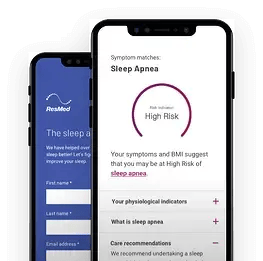
Luckily, you've come to the right place. We can help you get a better night's sleep - we've even published a free eBook available for you - 'Eight Ways to Sleep Better Tonight' - which is packed full of helpful tips to get you off to a good start.
If your partner is following the tips in this guide but still sounds like the Indian Pacific chugging along at night, it's time to take action for the sake of your sleep.
When should I say the 'S' word?
Snoring... It's a word which might be hard to bring up.
But striking up a conversation about someone's night-time symphony is an essential step to seeking a solution. Not only can snoring have an impact on a relationship, but it should be taken seriously.
Snoring can be a sign of sleep apnea, the most common type of sleeping disorder. Sleep apnea occurs when the muscles in your throat relax too much and restrict or block your airway. You literally stop breathing for up to 10 seconds or more – and it can happen hundreds of times each night!1 Each stoppage causes your body to jolt you awake so that you'll start breathing again, which causes you to become sleep deprived – even though the snorer probably won't even remember ever waking up.
Sleep apnea often goes undiagnosed because people who have the sleep condition are unaware of it, however, it can be dangerous if left untreated. That's why it's essential that you strike up the courage to have a conversation with your partner sooner rather than later.
Even if your partner doesn't have sleep apnea but is snoring through the night, that's still a very timely sign that you need to take action.
In fact, research has found that snoring itself, without sleep apnea, may be dangerous and can even lead to strokes, thanks to the trauma and inflammation that snoring causes to the arteries supplying blood to the brain.2





.webp?width=474&height=472&name=Throat-snoring%20(1).webp)