


.webp?width=474&height=472&name=Throat-snoring%20(1).webp)


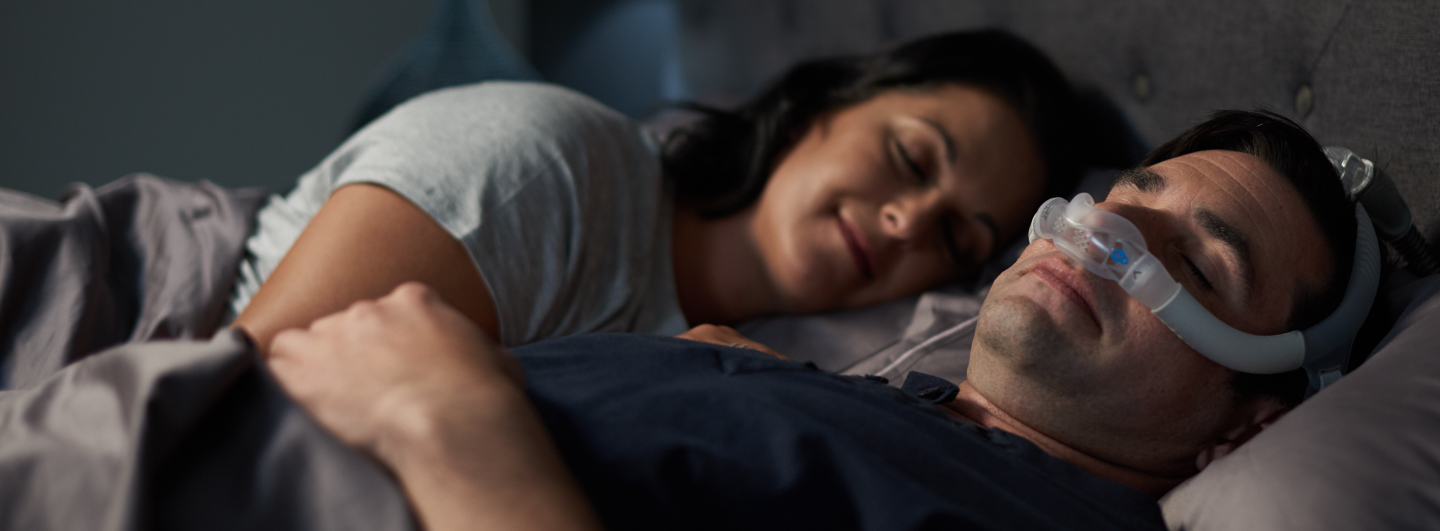
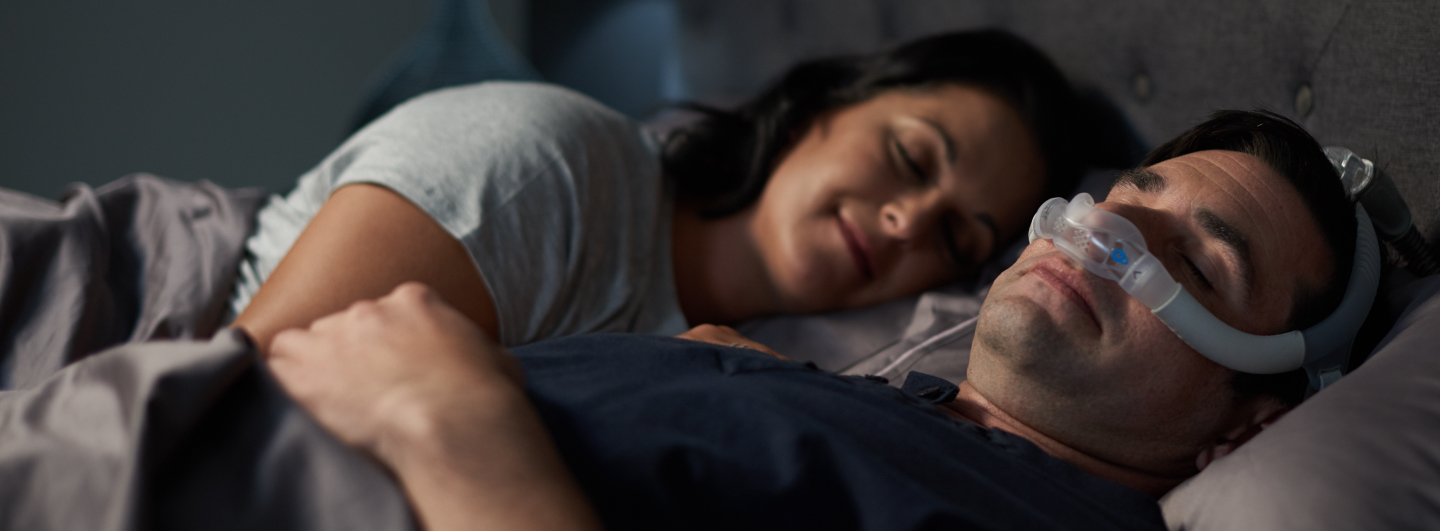

Treating your sleep apnea can help you to sleep properly so you feel energised in the morning.
After starting CPAP therapy you should start to notice improvements to how you feel. But, if you’re still having apneas this article explains what to expect and what to do if you’re still concerned
You've likely heard CPAP machines referred to as the 'gold standard' in treatment for sleep apnea.1
Research shows that regular CPAP use is particularly successful for people who have moderate to severe sleep apnea.1
While everyone using CPAP has a different experience, you may notice an improvement the day after your first sleep with the mask and machine.2
But what happens if you're using a CPAP machine on a nightly basis, but you’re still experiencing apneas?
“I'm using my CPAP machine every night but am still experiencing apneas. How do I know if my treatment is working?”
You may have noticed that your CPAP machine displays how many apneas and hypopneas you're experiencing per hour. This is commonly referred to as the ‘Apnea Hypopnea Index (AHI) reading’.
It's reasonable to assume that in order for your treatment to be effective, your AHI should display a reading of zero.
But on the contrary, an AHI reading of zero is very unusual. Although CPAP is designed to reduce your AHI, it may not completely eliminate apneas.
You should also keep in mind that your AHI is a measure of how many apneas and hypopneas you experience each hour – meaning if you were to take a half-hour nap with an AHI of 4, you've actually only experienced 2 apneas.