


.webp?width=474&height=472&name=Throat-snoring%20(1).webp)


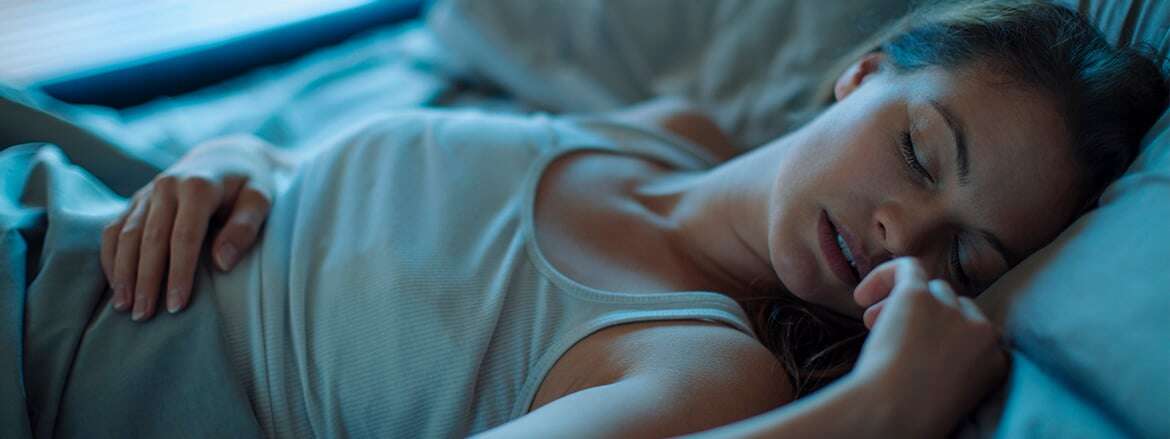

Let’s face it, we’re not getting enough sleep. The average night’s sleep lasts just 6.8 hours. 1 Among the millions of us struggling to sleep each night, many are turning to social media platforms such as TikTok for quick fixes, trends, and hacks.
From mocktails to eating pineapple before bed, sleep tips and tricks on TikTok often promise a quick and easy way to solve your sleep problems. A 2023 survey from the American Academy of Sleep Medicine found that more than 40% of people admit to trying viral trends involving sleep.2
Meanwhile, our 2024 Resmed Sleep Survey shows that almost one-fifth of those surveyed (18%) choose social media as a trusted source of information about sleep health.1 But it’s not always easy to sort the facts from the fad with the content we consume online.
Let us dive into the world of TikTok sleep trends to debunk 4 common myths and see the evidence to support these strategies.
The ‘Sleepy Girl Mocktail’ and other bedtime beverages: Do they work?
The ‘Sleepy Girl Mocktail’ appears to be one of the most recent sleep trends that has flooded TikTok since 2023. It involves drinking a concoction of tart cherry juice mixed with a powdered magnesium supplement and soda water before bed to help promote sleep. Social media often hypes drinks like the Sleepy Girl Mocktail as sleep aids. But can these beverages truly help you fall asleep faster?
What the experts say:
While magnesium supplements and certain foods like tart cherry juice contain compounds (melatonin and tryptophan) that promote sleep, research exploring the impacts of these compounds on sleep has had varying results.3 Some studies have shown improvements in some aspects of sleep health; however the significance of these improvements is tightly linked to the quality of the supplement and how much you take.4
Further research is required to really see what the benefits are and what the mechanism for improvement is. Ultimately, while some people may experience a benefit from the Sleepy Girl Mocktail there's no magic bullet for better sleep. Always be mindful and check in with your physician before adding supplements to your diet.
Eating pineapple before bed: Is this the secret to better sleep?
Some TikTokers will tell you that eating a pineapple right before bed is the missing ingredient that makes for a good night’s rest. The sleep hack suggests that pineapple is a natural sleep aid with the potential to boost melatonin levels.
What the experts say:5,6
Pineapple contains a small amount of tryptophan which is a very important precursor to sleep regulating hormones such as melatonin.5 Though this connection exists, there's limited evidence directly linking the consumption of pineapple to improved sleep. In general, your diet plays a big role in sleep health. Making sure you avoid stimulating substances such as caffeine before sleep and maintaining a healthy diet are known to promote good sleep health!7
Sleep banking: Can you make up for lost sleep on weekends?
Sleep debt is a popular topic across social channels like TikTok. It refers to the difference between the amount of sleep you get each night versus what you need.8 Like financial debt, it can accumulate.8 Some individuals attempt to compensate for weekday sleep deficits by ‘banking’ extra sleep on weekends.9 But does this strategy really work in the long run?
What the experts say:
As we try and fit more into our days and schedules get busier, it can be hard to get enough sleep. Naps and catching up on sleep may provide temporary relief from sleep deprivation, but it's not a sustainable long-term solution.10 Chronic sleepiness and daytime tiredness may be symptoms of a sleep disorder. Talk to your healthcare professional if you’re having issues with sleep. Ultimately, maintaining consistency in sleep patterns is key, focusing on sleep hygiene, optimising your sleep environment, and prioritising your sleep can help when trying to avoid sleep debt.
The 90-minute sleep rule: Should you follow this rule or break it?
The 90-minute sleep rule has been doing the rounds on social media for a few years now. This hack tells people to set their alarms for 90 minutes before they want to wake up so that they wake at the end of their 90-minute REM sleep cycle rather than midway through. The theory is that you feel more refreshed and less groggy by waking up during a lighter stage of your sleep cycle.
What the experts say:
While this practice may work well for some individuals, it's important to note that sleep cycles vary from person to person, and factors such as age, sex, overall health, and recent sleep routines can influence their duration and intensity.11 Sleep is categorised into different stages (N1, N2, N3 and REM sleep). Each stage has a purpose and plays an important role in the processes that occur during sleep.12 Prioritising consistent sleep patterns and overall sleep hygiene remains crucial for achieving restorative and rejuvenating sleep, regardless of specific timing strategies like the 90-minute rule.
Tips to help you get better sleep:13
- Be consistent: Establish a sleep schedule, aiming for about 8 hours of quality sleep per night.
- Make relaxation a priority: Create a relaxing bedtime routine, such as reading or practising meditation half an hour before bed, to signal to your body that it's time to wind down.
- Get comfortable: Maintain a comfortable sleep environment, with a supportive mattress, minimal noise and light, and a cool room temperature.
- Limit screen time: Keep clear of screens before bed. The blue light emitted from electronic devices can disrupt your body's natural sleep-wake cycle.
- Avoid stimulating substances before bed: Avoid consuming caffeine, alcohol or smoking close to bedtime, as they can have stimulating effects which interfere with your ability to fall asleep and stay asleep.
- Physical exercise: What you do during the day can impact your sleep. Engaging in some physical exercise can help promote good sleep. Just make sure it’s not too close to your bedtime.
Quick fixes and sleep fads can be very alluring when you’re up in the middle of the night struggling to sleep and doom scrolling on your socials. Experts suggest that easy quick-fix solutions for our sleep, like with fad diets, are unlikely to work in the long term. Investing in sustainable lifestyle changes is the key to unlocking the superpowers of sleep and enjoying better overall wellbeing.
Despite trying various sleep hacks and strategies, some people may still struggle with poor sleep. What should they do when quick fixes aren't enough, or sleep hygiene practices don’t work? Most of the time, ‘sleep hacks’ don’t always consider the impacts of other sleep disorders.
If you consistently struggle with sleep despite making lifestyle changes or if you have concerns about your sleep, seek help from a healthcare professional. Conditions such as chronic insomnia and sleep apnea can have significant health implications, so it's important to address it with personalised treatment.
Visit Resmed.com/sleeppowers to learn more about the benefits of good sleep. Ready to start your journey to better sleep? Take a free sleep assessment.
Note: The sleep hacks mentioned above are general in nature and don’t consider a person’s overall health and other health conditions. Please speak to a qualified healthcare professional before you make changes or take any supplements.