



.webp?width=474&height=472&name=Throat-snoring%20(1).webp)


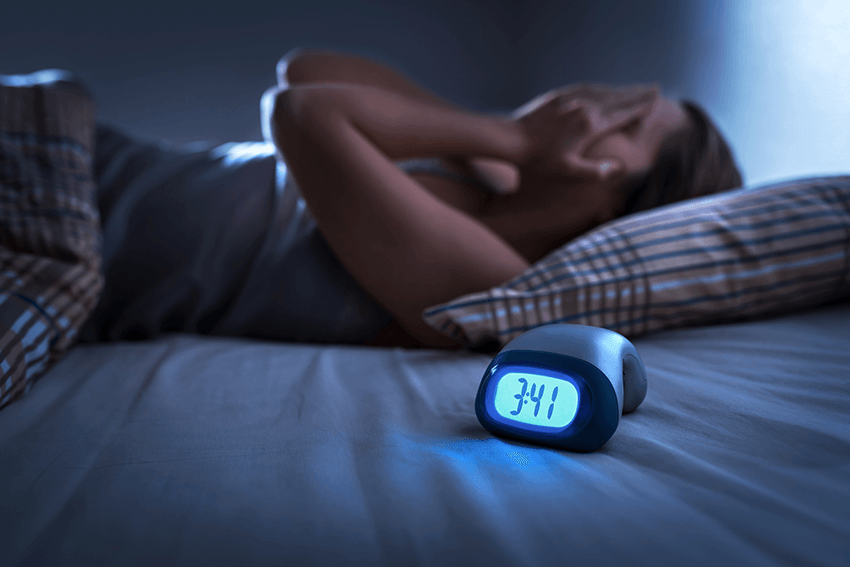

Have you ever noticed yourself feeling sleepy during the day or having a restless night right before your period? If you answered yes, you’re not alone. Up to 7 in 10 women notice sleep changes ahead of menstruation.1 This usually happens around 3-6 days before.1
Sleeping problems are one of the many unwelcome symptoms of premenstrual syndrome, commonly known by its abbreviation, PMS.
PMS symptoms include a range of unwanted physical and emotional changes, such as cramps, bloating, headaches, reduced concentration, anxiety, irritability and mood swings, and appetite changes.2
Can your periods cause difficulty sleeping?
Studies have found that sleep does indeed worsen late in the luteal phase of your menstrual cycle (when PMS comes into the picture).3
Many of us feel it’s harder to get to sleep and stay asleep while experiencing PMS. One study suggests women with PMS are at least two times more likely to report insomnia.4
While we don’t know for certain why PMS affects women’s sleep patterns, research points to a few possible reasons.
Do Women Need More Sleep?
While it is suggested that a better sleep routine could help alleviate cramps, the answer to that is more complex. While there is ongoing research about hormones affecting women's sleep, there is an ongoing social issue for women, or more precisely mothers having less sleep.
In a study released in 2018, new mothers get just about four hours and 44 minutes of sleep in their child's first life (4hr 44mins). Which is almost half of the recommended sleep amount a normal adult has. Meanwhile, the fathers of these women will get almost seven hours of sleep, losing only 1 hour in comparison. This "Gender gap" in sleep affects mothers, which can adversely affect overall their women's health in a long-term capacity.
What research tells us about periods and sleep quality
It may not be surprising to find that hormone levels play a part in sleep issues in the days leading up to your period. Studies show that a rise in progesterone levels can cause your body temperature to increase, which can lead to fragmented sleep.5
There is also some research that shows that our REM sleep where we dream can be shorter during this stage of our menstrual cycle.6 This may explain why your sleep feels less satisfying right before your period.
How to get help for PMS-related insomnia
The Sleep Health Foundation suggests you keep a daily diary of your PMS symptoms for around three months.7 This will help you confirm that your symptoms are linked to PMS. It also means you can then take steps to get better sleep ahead of your next menstrual cycle.
Practising good sleep hygiene can help to combat PMS-induced insomnia. This means:7
- Keeping a consistent sleep schedule
Whether enjoying a nice, warm bath or settling in with a book and herbal tea, a quiet wind-down activity before bed may help calm your body and mind. It's also a good idea to switch off your electronic devices and make sure you've created an environment that's conducive to sleep.
- Limiting caffeine intake
Caffeine keeps us alert by blocking sleep-inducing chemicals in the brain.8 It is also believed to affect our circadian rhythm or body clock, making it harder to fall asleep.8
Caffeine doesn’t only keep you awake; it can impact your sleep length and quality. In fact, having caffeine six hours before bed can reduce your sleep time by one hour.9 You may want to switch to a decaffeinated version of your favourite coffee, tea, energy drink and soft drink. - Drinking plenty of water and maintaining a healthy diet
It can be easy when you’re battling PMS-related food cravings to go for an easy takeaway meal. But if you try to incorporate a few more vegetables and healthy foods into your diet (even if ready-made), it might help make the difference between a night of satisfying rest or tossing and turning. - Exercising regularly
Exercise is a sensational stressbuster, but it's also vital for everyday health. Lazing on the sofa might feel like a more appealing scenario while struggling with PMS symptoms, such as bloating and cramps, but you might just find you feel all the better after a brisk walk in the fresh air. - Getting plenty of time outdoors during the day
As soon as you wake, expose yourself to some sunlight by opening the blinds or going outside. Exposure to plenty of sunlight has been shown to help keep your body clock in tune.10 - Addressing your stress through relaxation techniques
Mindfulness helps you focus your attention to the present, rather than the worries on your mind.11 Practicing mindfulness may help you with getting a get night's rest.
When you go to battle with insomnia-causing PMS, arm yourself with these hygiene tips and you may notice yourself getting to sleep a little easier during your next cycle. But, if your lack of sleep caused by PMS continues to impact your quality of life, it might be worth seeking treatment through your doctor. They may be able to prescribe you medications, nutritional supplements, or therapies to help tackle your symptoms.