
Understand your
sleep apnea risk

Find out your sleep apnea risk in a few quick questions.
Free, confidential, and personalised to you.

What is sleep apnea?

Sleep apnea is a common sleep disorder where your breathing repeatedly stops and starts during sleep. The most common type is obstructive sleep apnea (OSA), which occurs when the throat muscles relax and block the airway.

Left untreated, sleep apnea may be linked to serious health conditions including1:

  • high blood pressure
  • heart disease
  • stroke
  • diabetes

Learn how sleep apnea affects your health and what you can do about it.
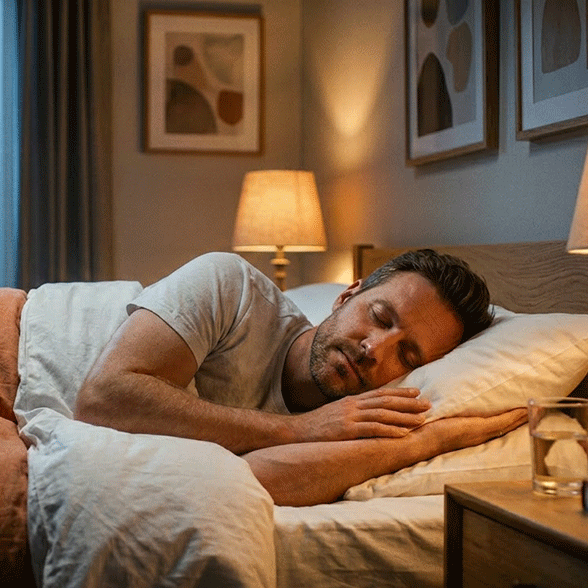
sleep-apnea-osa

Common symptoms of sleep apnea2

  • Loud snoring
  • Feeling tired during the day
  • Morning headaches
  • Difficulty concentrating
  • Waking up gasping or choking
  • Waking up often during the night

You may be at risk if you experience one or more of the above.
Our free assessment can help you find out in minutes.
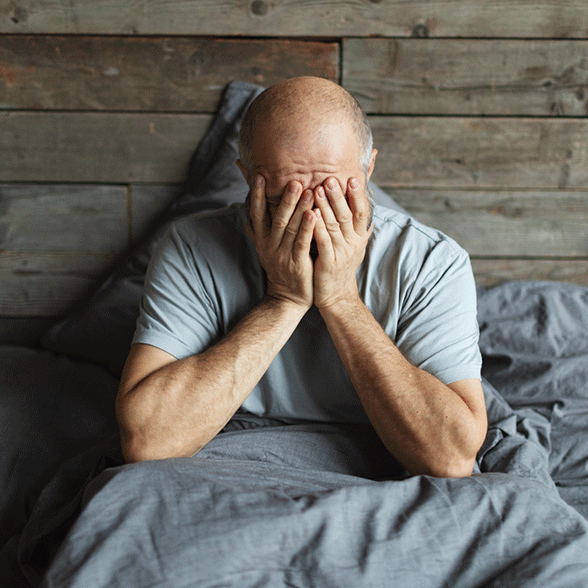
sleep-apnea-symptoms

Why early assessment matters

better-sleep
Sleep better

Early detection can help improve your sleep, energy, mood and overall health.
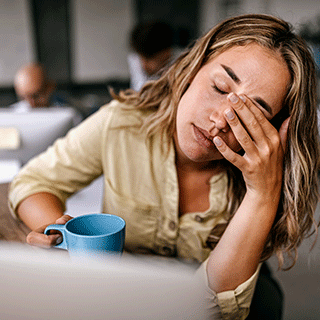
understand-your-risk
Understand your risk

Getting assessed is the first step towards understanding your risk and exploring treatment options.

feel-best
Feel your best

Better sleep can lead to a better you.

sleep-apnea-risk sleep-apnea-risk

Understand more about your sleep health

Answer a few simple questions to understand your sleep health.

  • Takes 3-5 minutes
  • 100% free and confidential
  • Personalised results and next steps

We'll guide you every step of the way

step-1-icon
Step 1.
Complete the assessment

Answer a few questions about your sleep and health.

step-2-icon
Step 2.
Get your results

Receive personalised sleep apnea risk result instantly.

step-3-icon
Step 3.
Recommended next steps

We’ll guide you on the best next steps based on your results.

Frequently asked questions

Is sleep apnea dangerous?

Yes, sleep apnea is a dangerous condition that can lead to numerous health problems such as high blood pressure and diabetes if left untreated.1 Untreated sleep apnea can also lead to daytime sleepiness, which makes you more prone to roadside and workplace accidents.3

Many people have sleep apnea and don’t even know it. If you think that you may have symptoms of this disorder, then you may want to seek the advice of your doctor and/or have a sleep study done.

Can sleep apnea be treated?

There is currently no cure for sleep apnea, but there are several different options available for treating sleep apnea. Note that treatment options will vary depending on the type and severity of sleep apnea that is present. 

What are the treatment options for sleep apnea?

Treatment options for obstructive sleep apnea (OSA) include:

  • Continuous positive airway pressure (CPAP)

  • Medications (i.e. GLP-1 receptor agonist)

  • Lifestyle changes (i.e. weight loss, quit smoking, reducing alcohol consumption)

  • Oral appliances

  • Surgery

Learn more about the different types of sleep apnea treatment.

What is the sleep assessment?

The Sleep Assessment is a free and confidential questionnaire that takes approximately 3–5 minutes to complete. It helps you better understand your sleep health by uncovering common sleep issues such as obstructive sleep apnea, insomnia, and snoring. Based on your responses, you will receive personalised recommendations, and a summary of your results will be sent to your inbox. Please note that this assessment is intended for individuals aged 18 and above and does not provide medical advice or a medical diagnosis.

What happens after I complete the assessment?

A great next step is to book a chat with one of our Sleep Coaches^ to explore your options. Appointments are completely free, with no cost or obligation, just practical guidance to help you move forward with confidence.

Book an appointment today.

References

1. https://pmc.ncbi.nlm.nih.gov/articles/PMC5698527/ 

2. https://www.nhlbi.nih.gov/health/sleep-apnea/symptoms     

3. https://academic.oup.com/sleep/article-abstract/40/10/zsx134/4049536 

^ Resmed Sleep Coaches can give general information about sleep health, sleep disorders and products that may help improve your sleep. They are not qualified healthcare professionals and cannot provide medical advice.

References
1

Peppard PE et. Am J Epodemiol. 2013 (5.17)